
4 Ways to Build Muscle After 60
Many women assume losing muscle is simply part of getting older. The truth is, your body can still build strength after 60. Here are four simple, effective strategies that can help you gain muscle safely and confidently.
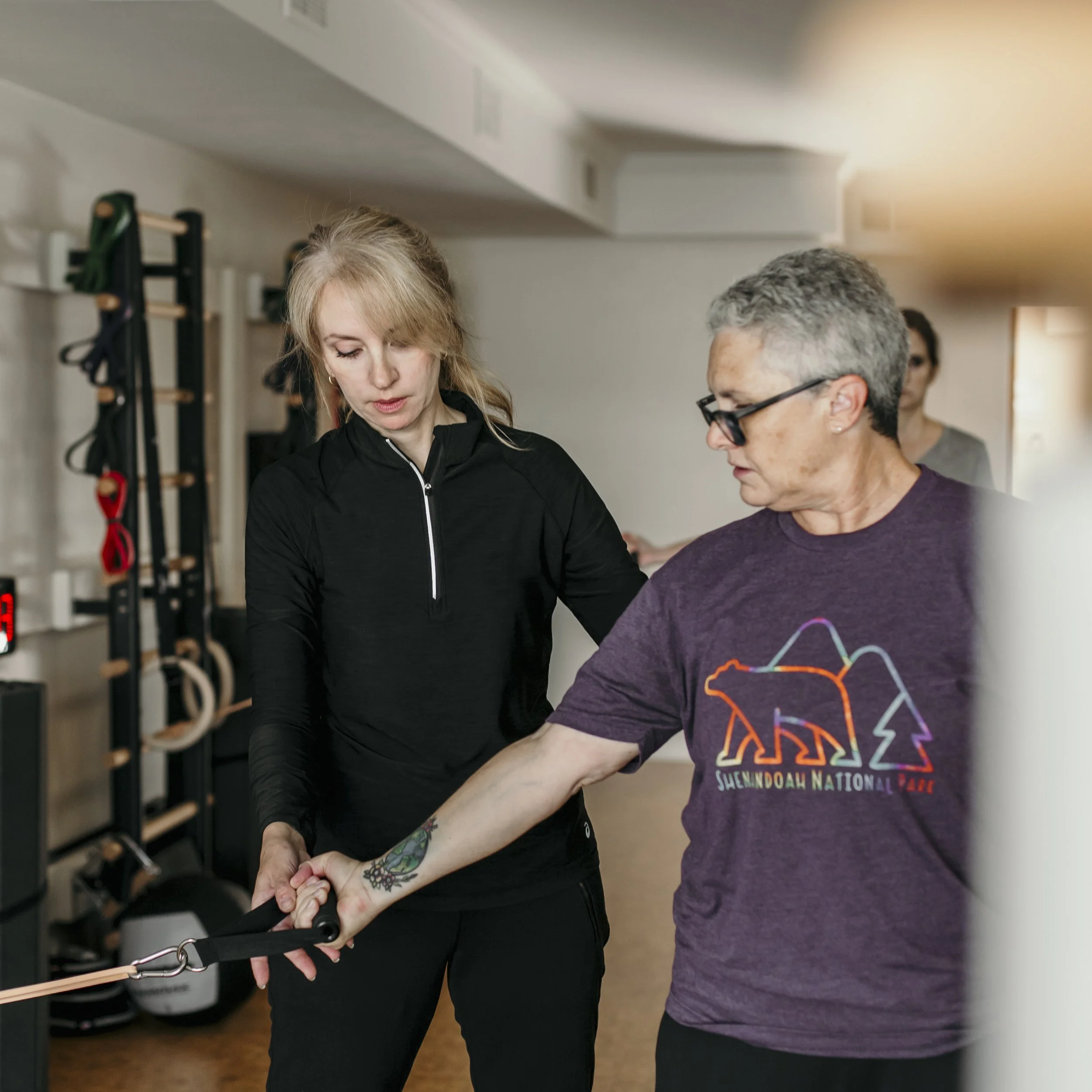
Have you noticed that everyday tasks seem to require a little more effort than they used to?
Maybe climbing the stairs leaves your legs feeling tired. Carrying a laundry basket feels heavier than you remember. Or perhaps you've noticed that getting up from the floor, lifting a suitcase, or working in the garden isn't quite as easy as it once was.
If so, you're not alone.
Beginning around age 30, adults naturally start to lose muscle mass, and that loss gradually accelerates over time if we don't give our muscles a reason to stay strong. By the time many women reach their 60s, that gradual decline can begin to show up in everyday life. Activities that once felt effortless may require more planning, more energy, or a helping hand.
The good news is that losing muscle isn't something you simply have to accept.
Your body is still capable of building muscle after 60. It may take a little more patience and consistency than it did years ago, but the ability to become stronger never disappears. Research continues to show that women in their 60s, 70s, and even beyond can increase muscle strength and improve how their bodies function with the right approach.
In this article, we'll cover four simple strategies that can help you build muscle safely, regain strength, and continue doing the activities you enjoy for years to come.
1. Lift Weights—There Isn't Another Way to Build Muscle
If your goal is to build new muscle after 60, strength training isn't just one option—it's the option. While brisk walking, stretching classes, gardening, traveling, and staying active are all wonderful habits, they won't build significant new muscle.
That's because your muscles only grow when they're challenged with resistance. Whether you use dumbbells, resistance bands, cable machines, or even your own body weight, your muscles need to work against resistance to become stronger.
There's no secret here. If you want to rebuild muscle you've naturally lost over the years, you need to perform strength exercises on a regular basis. Walking is excellent for your heart, stretching helps maintain flexibility, and everyday activities keep you moving, but none of them can replace a well-designed strength training program when your goal is building muscle.
2. Train Your Entire Body—Not Just One or Two Muscles
Your body contains more than 600 muscles, and every one of them plays an important role in helping you stay active after 60. Some muscles help you stand up from a chair, others improve your posture, while many help you climb stairs, lift groceries, get off the floor, and reduce your risk of injury.
That's why your workouts should strengthen your entire body—not just a few muscles. One mistake I often see is women following workout routines designed for younger adults or copying what their husbands do at the gym. Many of those workouts spend plenty of time on the chest, shoulders, and arms while giving very little attention to the legs and glutes.
After 60, your lower body becomes even more important. Strong legs and glutes make everyday life easier, whether you're climbing stairs, getting in and out of the car, walking on vacation, or simply getting up from your favorite chair. A good full-body strength routine should include exercises for your legs, glutes, core, back, chest, shoulders, and arms so your entire body becomes stronger together.
3. Strength Train Two to Three Times Each Week
When women learn they need strength training to build muscle, many assume that more must be better. In reality, your muscles don't become stronger during your workout—they become stronger while your body is recovering afterward.
That means strength training every day isn't necessary. In fact, it can leave your body feeling run down instead of stronger. Giving your muscles time to recover is just as important as challenging them in the first place.
Over the years, I've found that most of my clients do exceptionally well with two to three full-body strength workouts each week. This schedule provides enough stimulation to build muscle while giving the body adequate time to recover before the next workout.
The goal isn't to exercise every day. The goal is to be consistent. Two or three quality workouts every week for months will almost always produce better results than exercising every day for two weeks before burning out.
4. Challenge Your Muscles—Not Your Joints
For your muscles to grow, your workouts need to feel challenging. However, challenging doesn't mean leaving every workout completely exhausted or sore for days afterward.
Unfortunately, many women experience one of two extremes. Some large group fitness classes push participants to perform too many repetitions, lift weights that are too heavy, or move too quickly to maintain proper form. On the other end of the spectrum are programs that make every exercise so easy that the muscles are never challenged enough to become stronger.
The best approach falls somewhere in the middle. Your muscles should feel like they're working, but your joints should never hurt. If an exercise causes pain in your knees, hips, shoulders, or back, it's a sign that something needs to change. The exercise may need to be modified, the weight reduced, or your technique improved.
Another simple way to judge your workout is by how you feel afterward. Most women should leave a strength training session feeling energized, accomplished, and pleasantly worked—not completely depleted. If you regularly feel like you need a nap after exercising or you're exhausted for the rest of the day, there's a good chance the intensity was simply too high.
Remember, the goal isn't to survive your workout. The goal is to challenge your muscles enough to help them grow while exercising safely enough that you can continue building strength for years to come.
A better next step
Building muscle after 60 is one of the best investments you can make in your long-term health. Stronger muscles make everyday activities feel easier, improve your confidence, and help you continue doing the things you enjoy most.
However, building muscle is only one part of staying active as you get older.
A well-rounded exercise program should also include flexibility, balance, and cardio training. Each plays an important role in helping you move well, feel your best, and maintain an active lifestyle.
Strength training helps you build and maintain muscle. Flexibility helps reduce stiffness and improve your range of motion. Balance exercises help reduce your risk of trips and falls. And cardio supports your heart, energy levels, and overall health.
At A50 Personal Training, we help South Hills women over 50 improve all four so they can get stronger, get their flexibility back, and continue doing the things they love for years to come.
Our private personal training studio is designed specifically for women over 50 who want expert guidance, individualized exercise programs, and a supportive environment without the pressure or intimidation of a traditional gym.
If you live in the South Hills and would like help building muscle safely while improving your overall strength and mobility, you can apply for a free 1-week personal training trial.
You'll receive personalized coaching, support, and an opportunity to see if A50 is the right fit for you.
You may also enjoy reading:
ABOUT THE AUTHOR
Jason Zawodniak is the Co-founder of A50 Personal Training, the first personal training studio in the South Hills built exclusively to serve women over 50. With nearly two decades of experience in the fitness industry, Jason noticed early in his career that women over 50 were consistently underserved — showing up to gyms where they felt out of place, unsure of what to do, and afraid of getting hurt. After hearing those same stories from his own clients year after year, he made a decision: in 2017, he opened A50 to create the program he knew this demographic deserved. Today, Jason specializes in helping women over 50 build the strength and flexibility they need to stay active, prevent injury, and keep up with the people and activities they love most.